


For years, corporate events have been built around storytelling: communicating a clear narrative that connects with the audience. But today, that approach is no longer enough. People—especially in high-level experiences—expect something deeper: to live the story, not just hear it.
At Mundo Incentiva, we call this storyliving: a methodology that places the attendee as the active protagonist of the message, turning every interaction, detail, and space into a living part of the narrative.
Below, we share how high-level meeting planners can take their events from storytelling to storyliving.
From Spectators to Protagonists
In traditional storytelling, the brand narrates.
In storyliving, the attendee experiences.
This means designing dynamics, content, and moments that actively involve every participant. It’s not just about inspiring—it’s about generating participation, movement, conversation, and discovery.
Applied example:
If your narrative is “innovating without fear,” the goal is not to display that phrase on a screen, but to create spaces where attendees experience challenges, games, dynamics, or technologies that allow them to feel that innovation.
Emotions as the Main Script
Storyliving is built from emotional design.
Every moment must answer a key question:
What do we want them to feel at this point in the story?
Today, through emotional measurement, we know that the most memorable experiences are those that generate peaks of positive emotion, surprise, connection, or achievement.
Tip: Work your narrative like a mountain: a warm beginning, an immersive development, a powerful climax, and a transcendent closing.
Multidimensional Sensory Immersion
Stories no longer live in a single channel.
Storyliving integrates all the senses to reinforce the narrative:
- Consistent visual identity
- Scents that evoke key emotions
- Music that accompanies each moment of the journey
- Textures and materials that invite interaction
- Gastronomy as an extension of the message
- Everything communicates. And when every detail is aligned, the story becomes unforgettable.
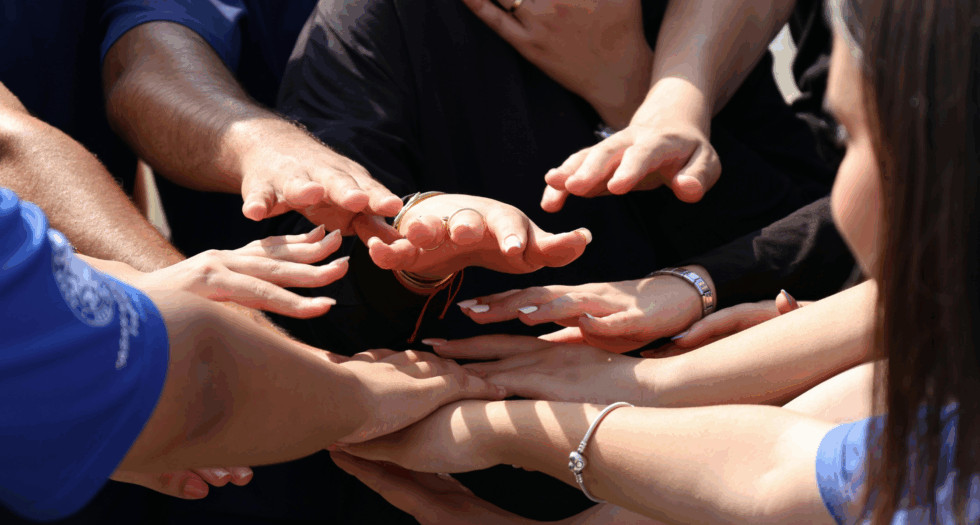
Technology That Amplifies—Not Distracts
Technology is not the protagonist—it is the tool that allows the story to come alive.
The strategic use of extended reality, interactive apps, LED scenography, gamification, or immersive screens can transform a message into an active and personalized experience.
The key is choosing tools that support the narrative, not steal the spotlight.
Micro-Experiences: Where the Magic Truly Happens
Storyliving does not depend on one single big moment.
It is achieved through micro-experiences that surprise, move, and connect with one another.
A hidden message, a personalized greeting, an unexpected detail, a surprise interaction… these small decisions are what turn a narrative into something that is lived, not just told.
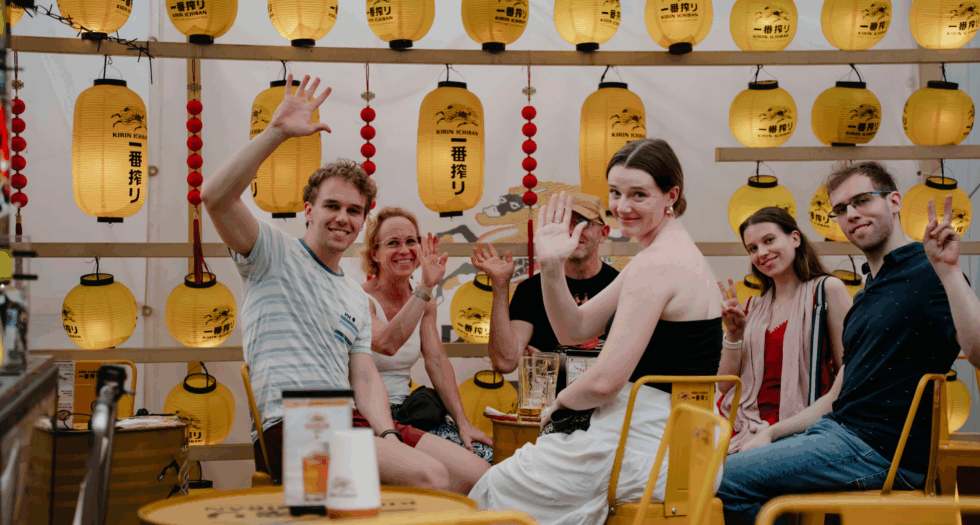
The Closing: Giving Meaning to What Was Lived
Every journey needs an emotional ending.
A great event doesn’t end at the exit—it ends in reflection.
Storyliving invites attendees to recognize what they experienced, integrate it into their daily lives, and become ambassadors of the message.
This is achieved through closing dynamics, emotional recaps, meaningful takeaways, or post-event content that keeps the narrative alive.

Conclusion: Telling Stories Is No Longer Enough
The future of corporate events lies in lived experiences, not narrated ones.
While storytelling inspires, storyliving transforms.
While one communicates, the other connects.
While one tells, the other stays forever in emotional memory.
At Mundo Incentiva, we design experiences where the story is not told:
it is lived, felt, and remembered.
